
Introducing the Institution to the Public
Updated: Feb 21, 2023
''I want to foster a positive relationship between police officers and the communities they protect.'' -Kenny Stills
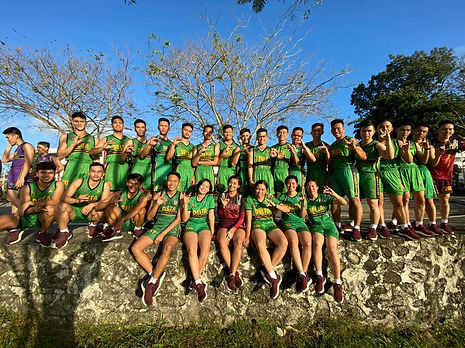
Members of Masidtalak Class of 2023, assigned to have their Station Immersion at Naga City Police Office. Entertain media guests at radio station 104.7 Bossing FM. They are set to respond to inquiries about the Academy's various programs. A fantastic place for informing the public about the institution that is part of the PNP organization: to inspire more applicants to take roadless travel and support the PNP's strategy, programs, and initiatives.
To support a community policing philosophy, a department needs to make changes both in the types of information generally regarded as valuable and in the ways certain types of information flow within the department. Many departments that have embraced the strategies of community and problem-solving policing have adopted the tactics of neighborhood-oriented policing: that is, they give individual officers primary responsibility for well-defined geographical beats. One way to determine the valuable information is to ask perfect neighborhood or community beat officers what information they have or use that makes them so good. When they respond to calls and perform more proactive work, excellent beat officers seem to exploit four basic types of knowledge: special skills, knowledge of resources, local knowledge, and local acquaintance. "Special skills" refers to the range of techniques that excellent beat officers use to support their mission. Currently, they include negotiation and mediation skills; time management skills (necessary to balance immediate tasks against more protracted problem-solving tasks); interviewing and interpersonal skills, which are not common among patrol officers; and the skills associated with mobilizing and building self-respect among communities. Eventually, they should include analytical and problem-solving skills as well.[1]
It uses social media platforms to interact with the public and provide information about an organization's actions, goals, and challenges. They were known as leaders by informing the public through social media contact. A leader who is dedicated to using social media to enlighten the public. Foster a more engaged and knowledgeable community and forge better bonds with stakeholders. Informing the public through social media contact has several advantages for leaders. To start, it may aid in reaching a larger audience. An extensive and diverse audience can be reached using social media platforms, which billions of people use worldwide.
The method used by Cadets to welcome the public into the Philippine National Police Academy. The Institution's initiatives and activities in producing police officers who are receptive to the needs of the community. The Philippine National Police's activities and plans were explained to the community as part of the relationship between the police and the community. The group is a helpful section of the government and society prepared to help people.
A leader who knows how to communicate is essential to showing connectivity to his subordinates and the public. Being a guest in live radio broadcasting is an excellent medium to share your program and plans as an officer in your area. You cannot call up citizens in your jurisdiction by having them in your station. But with a radio interview, you can extend your wisdom to the community. Having a good relationship with social media entities can make the officer's life much easier in community communication.
As a Cadet, I understand the significance of social media in bridging the gap between the public and organizations such as the Philippine National Police Academy, using social media platforms to inform the public about the Academy's initiatives, activities, and plans. Leaders can foster a more engaged and knowledgeable community while building better bonds with stakeholders. The ability to reach a vast and diverse audience through social media is a powerful tool that can help the Academy create a positive relationship between the police and the community. Communicating the Institution's goals and actions is essential, including producing police officers who are receptive to the community's needs. By doing so, the public can better understand the role of the police in society and how they can benefit from the group's services. As a Cadet, I recognize the importance of using social media for communication and engagement and will strive to contribute positively to this effort.
#MASIDTALAK2023 #PNPA #lifeisbeautiful #MKKequalsK #KaligtasanNiyoSagotKo #PNPKakampiNyo #TulongTulongTayo
[1] Sparrow, M.K. (1993) Information systems and the development of policing. Available at: https://www.ojp.gov/pdffiles1/nij/139306.pdf (Accessed: January 25, 2023).


Comments